
Turning tourism emissions data into action with ChristchurchNZ
12 Christchurch operators. 6 weeks. A guided journey from guesswork to a data-driven sustainability plan, with practical insights to reduce operational costs.

CarbonTrail's blog, with the latest news, insights, and product updates.
12 Christchurch operators. 6 weeks. A guided journey from guesswork to a data-driven sustainability plan, with practical insights to reduce operational costs.

New EU rules on environmental claims went live on the 27th September 2026, and they apply to New Zealand businesses of any size or sector if you sell to customers in the European Union. Here's what this means for you.
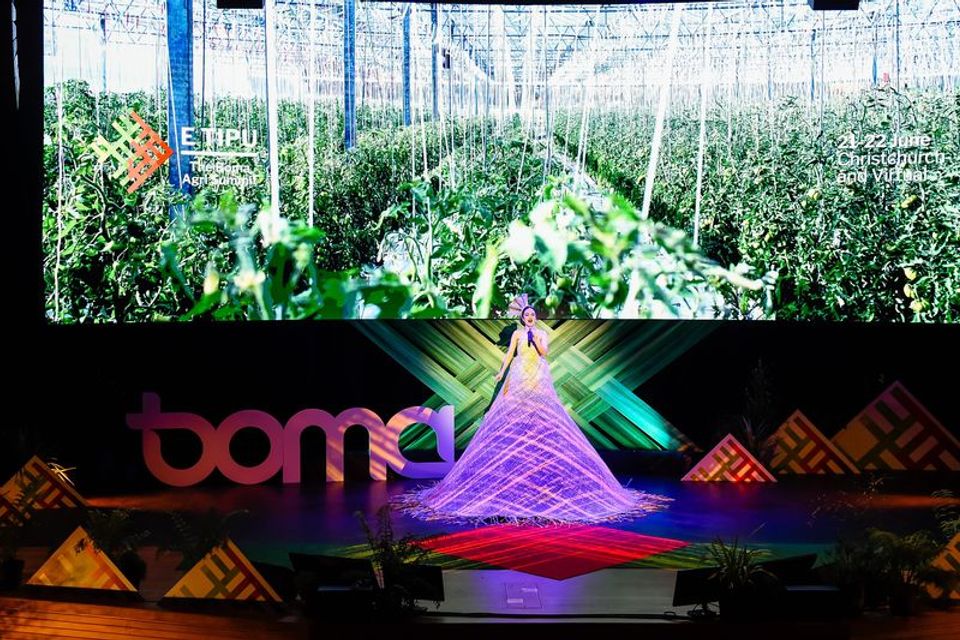
Boma runs transformational learning experiences for future-focused leaders. They offer global online cohort-based courses and world-class professional development programmes, including Brené Brown’s Dare to Lead™ and the Crusaders Leadership Programme™. They also run E Tipu: The Boma Agri Summit, exploring the future of food and fibre.
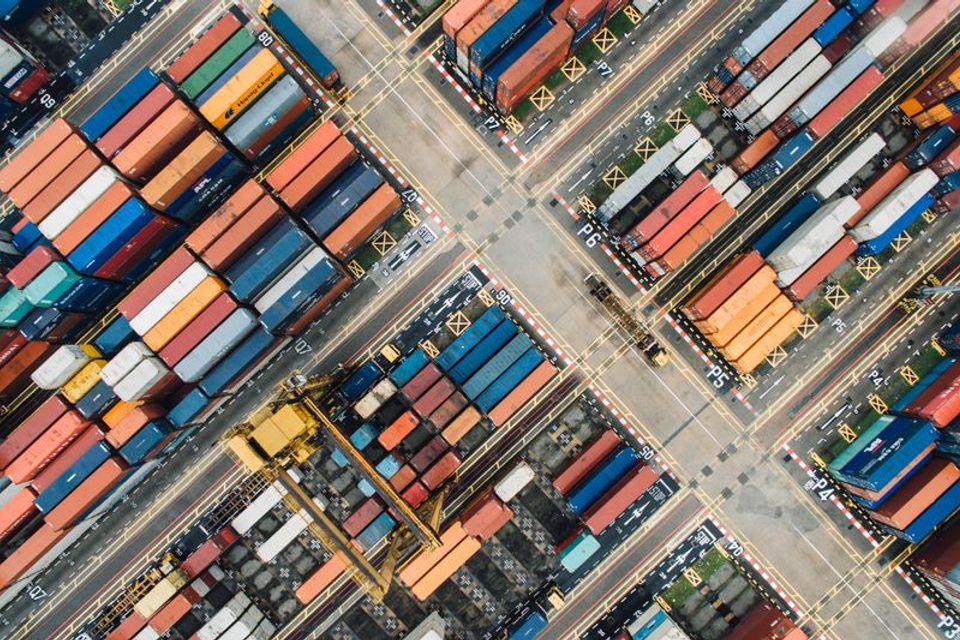
To calculate the full greenhouse gas emissions for your business, you'll need to engage with your supply chain. In the past, businesses have used industry averages to estimate their supply chain emissions. But as new standards come into force, these estimates are no longer enough. This raises a dilemma, though. How can businesses get the data they need from their value chain, without overloading their suppliers with compliance costs?

Let's dive into the murky world of greenwashing - what is is, what it means, and how to avoid being accused of it.

Carbon offsets are a way to compensate for unavoidable carbon emissions. When you buy an offset, you fund projects that reduce greenhouse gas (GHG) emissions.But offsets are no golden bullet to address climate change. Some critics argue that they get in the way of meaningful change to reduce GHG emissions. When not used responsibly, carbon offset credits can also be a form of greenwashing. Join us as we dive into the sometimes-controversial world of carbon offsets.

If you're looking to report the carbon emissions of your business, you'll likely come across the three scopes of emissions. You can think of the three scopes as categories that help you — and anyone you need to report to — understand the contribution of your business to climate change. In this guide, we'll run through the main differences between the three scopes, and outline why you should start measuring your own greenhouse gas (GHG) emissions.

Are you aware of the major changes happening in the world of sustainability reporting? At the end of last month, the International Financial Reporting Standards Foundation announced new standards that will require businesses to report their sustainability metrics and risks in more detail, including Scope 3 emissions.

We're here to tell you a bit more about carbon credits and dispel some common misconceptions. If you're interested in offsetting or just a bit curious about the space - read on...
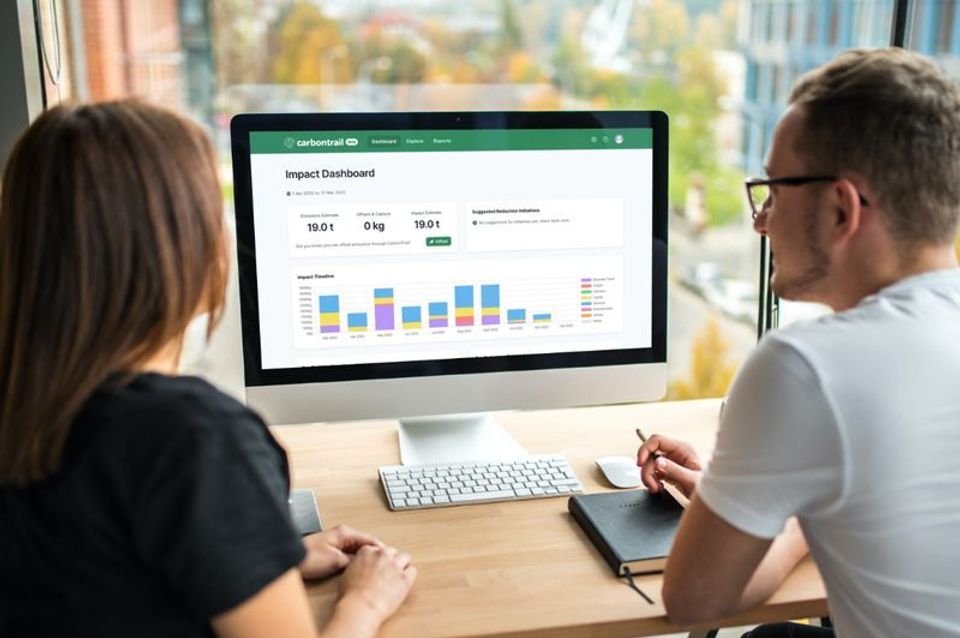
The impact of climate breakdown is being felt on an increasingly frequent basis. With it comes a greater awareness and commitment to change and to take action to limit the future warming of our planet.
As of last week, we are now listed on the Xero App Store for New Zealand. This is a real milestone for us as we march forward on our mission to make it easier for Kiwi businesses to understand their impact and take action.

Is an older van actually better for the planet, or does modern efficiency win the race? We dive into the data to see if "reduce and reuse" holds up when it comes to the true environmental cost of your delivery fleet.